



Apa itu Silikon Karbida (SiC)?
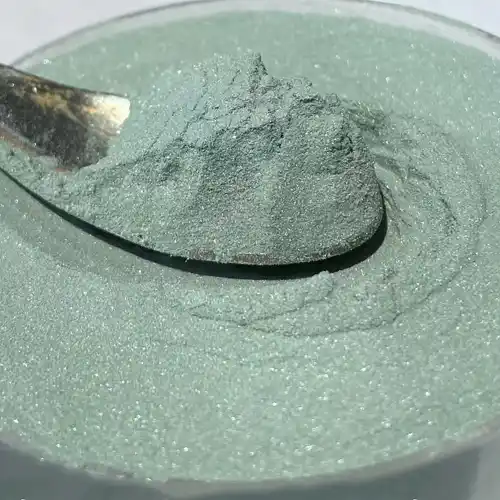
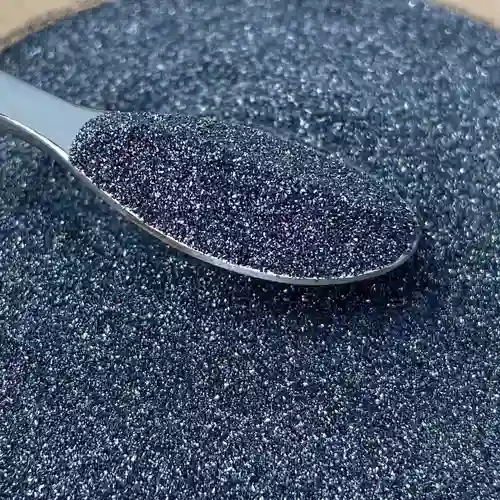
Silicon carbide is divided into green silicon carbide and black silicon carbide. It is smelted at high temperature in a resistance furnace, then processed through crushing, impurity removal, acid washing, water washing, drying and screening. It features stable chemical properties, perfect crystal form, high surface cleanliness, high temperature resistance, high hardness and uniform particle size.
Aplikasi Silikon Karbida
| Rentang Ukuran | Bidang Aplikasi Utama |
| F12–F60 | Pengerjaan peledakan skala besar, penghilangan karat pada struktur baja, roda pemotong, penggerindaan kasar batu |
| F80–F220 | Kertas amplas, sabuk amplas, pelapisan logam dengan pasir, penarikan kawat, penghilangan sisa-sisa cetakan |
| F240–F1200 | Pemolesan cetakan, bahan baku tahan api, pasta abrasif |
| Mikrobubuk W3.5-W40 | Pemolesan presisi kaca, perangkat keras, perhiasan, dan wafer silikon |
| SiC Berbentuk Gumpalan 1–10 mm | Penghilang oksigen baja, bahan inokulan besi tuang, batu bata tahan api, dan lapisan dalam tungku |
Silikon Karbida vs Silikon vs Nitrida Gallium (Si vs SiC vs GaN)
| Bahan | Si (Silikon) | SiC (Silikon Karbida) | GaN (Nitrida Gallium) |
| Bandgap | Sempit | Lebar | Lebar |
| Rentang Tegangan | Rendah | Tinggi | Sedang |
| Efisiensi | Sedang | Tinggi | Tinggi |
| Tingkat Kekuatan | Rendah | Tinggi | Sedang |
| Aplikasi | Peralatan elektronik konsumen | Kendaraan Listrik (EV), industri | Pengisian cepat, RF |
Silikon Karbida (SiC) – Manfaat
Silicon Carbide memiliki kemurnian tinggi dan kandungan besi yang sangat rendah, sehingga secara efektif mencegah kontaminasi pengotor dan menjamin hasil pemrosesan yang bersih dan tanpa cacat untuk segala jenis benda kerja. Dengan kekerasan yang sangat tinggi dan kinerja penajaman mandiri yang luar biasa, bahan ini mempertahankan hasil pemotongan dan penggilingan yang stabil serta efisien selama pengoperasian berkelanjutan tanpa mudah mengalami pasivasi atau penyumbatan. Material ini menawarkan ketahanan panas dan ketahanan terhadap guncangan termal yang unggul, dengan kinerja kerja yang stabil pada suhu ekstrem hingga 2000℃, sehingga mampu beradaptasi dengan berbagai kondisi kerja industri bersuhu tinggi. Dengan sifat kimia yang sangat baik dan stabil, silikon karbida tahan terhadap korosi asam dan alkali serta tidak akan bereaksi secara kimiawi dengan sebagian besar media di lingkungan industri yang kompleks. Bahan ini memiliki koefisien ekspansi termal yang rendah dan konduktivitas termal yang sangat baik, sehingga dapat dengan cepat mengalirkan panas selama proses pengolahan dan secara efektif mencegah deformasi serta kerusakan pada benda kerja. Bahan ini tersedia dalam rentang ukuran partikel yang lengkap dan luas, dengan spesifikasi grit standar dan bubuk mikro ultra-halus yang dapat disesuaikan, sehingga dapat sepenuhnya memenuhi kebutuhan pengolahan dan aplikasi yang beragam di berbagai industri.
Tren Pasar & Pertumbuhan Masa Depan Silikon Karbida
Silikon karbida hitam menempati posisi terdepan di sektor metalurgi, bahan tahan api, dan abrasif umum, sementara perkembangan berkelanjutan dalam produksi baja, pengecoran presisi, serta pembuatan tungku suhu tinggi menciptakan permintaan pasar yang stabil dan kuat, yang menjadi landasan yang andal bagi industri silikon karbida global. Perkembangan pesat industri energi baru semakin mendorong ekspansi pasar, karena produksi pemotongan wafer PV, popularitas platform tegangan tinggi 800V kendaraan listrik, pengoperasian peralatan penyimpanan energi, dan manufaktur inverter tenaga angin terus mendorong permintaan pasar akan bubuk mikro SiC ultra-halus dengan tingkat pertumbuhan tahunan melebihi 15%. Silicon karbida hijau berkemurnian tinggi terus merambah bidang manufaktur presisi kelas atas, melayani skenario pemrosesan inti termasuk pemolesan komponen optik, lapping wafer semikonduktor, dan penggilingan paduan keras, sekaligus mencapai pertumbuhan pasar yang lebih cepat dan margin keuntungan yang lebih tinggi dibandingkan dengan produk konvensional. Kebijakan konsumsi energi global yang semakin ketat dan tata kelola lingkungan mendorong restrukturisasi berkelanjutan serta peningkatan kualitas di seluruh industri, menghentikan secara bertahap pabrik-pabrik produksi skala kecil yang ketinggalan zaman, dan memungkinkan produk silikon karbida rendah karbon dan kemurnian tinggi dengan distribusi butiran yang seragam untuk memperoleh keunggulan premi ramah lingkungan yang jelas dalam perdagangan global. Ruang lingkup aplikasi silikon karbida terus meluas, dan permintaan pasar yang muncul akibat penggunaan lapisan industri tahan aus, bahan keramik canggih, serta media filter suhu tinggi secara efektif memperluas kapasitas pasar secara keseluruhan. Pasar silikon karbida global mempertahankan CAGR sebesar 6,2% dari tahun 2026 hingga 2036, dan produk silikon karbida dengan kemurnian tinggi serta ukuran khusus akan mendominasi jalur pertumbuhan inti industri ini di masa depan.
Sedang mencari butiran atau bubuk silikon karbida dengan kemurnian tinggi?
Hubungi tim teknis kami untuk ukuran butiran khusus dan penawaran harga grosir.
Dapatkan Penawaran Gratis

