제품 정보
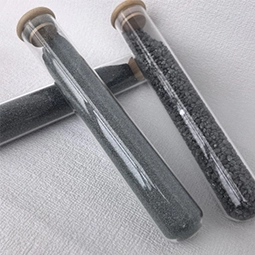
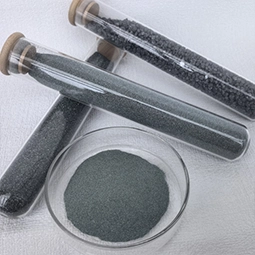
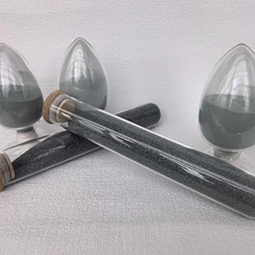
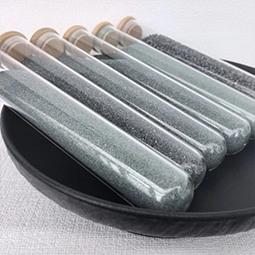
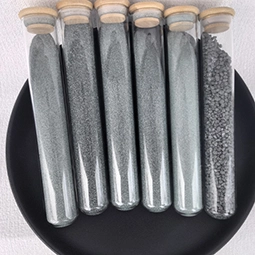
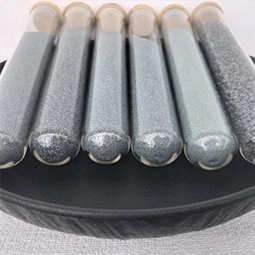
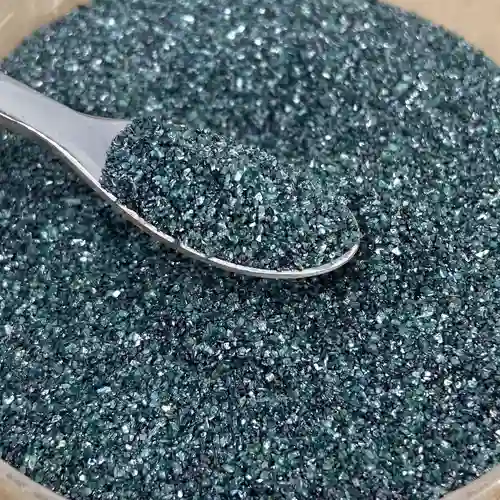
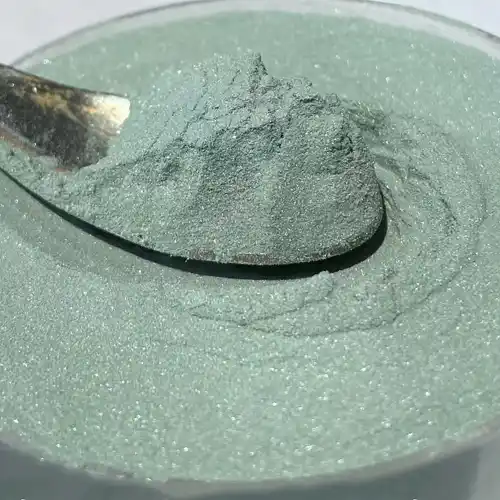
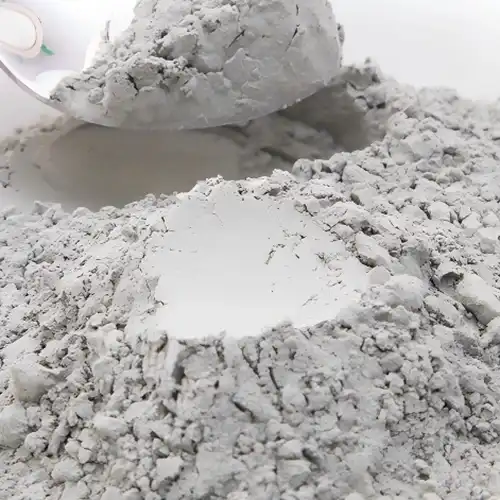
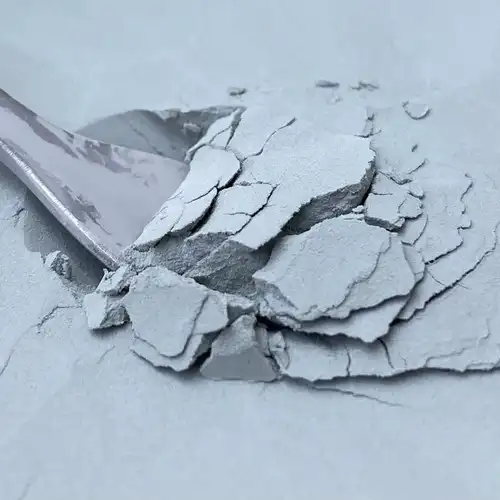
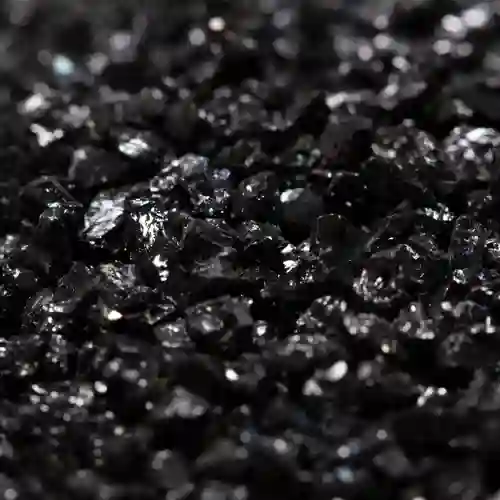
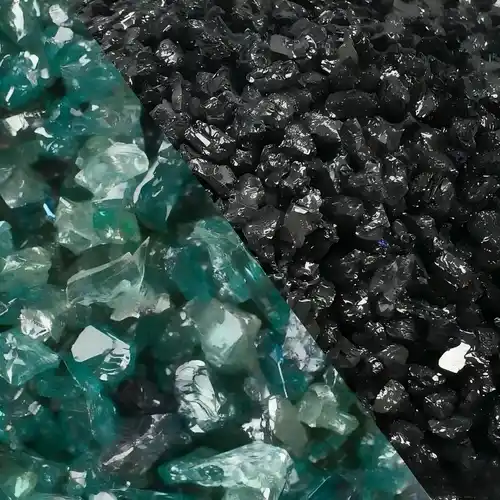
The company's silicon carbide shaping equipment with independent intellectual property rights produces high-density silicon carbide with high purity, high activity, smooth surface, good shape, concentrated particle size distribution, and easy infiltration. It is widely used in chemical industry, metallurgy, wear-resistant industry, ceramics, industrial high-temperature kiln and other industries. In powder processing, mechanical grinding is typically used for size reduction. However, for particle shaping purposes, the grinding force must be carefully controlled to avoid fracturing the particles, which would defeat the goal of shaping. Otherwise the powder particles will be broken, resulting in particle shaping failure. By adjusting the grinding process parameters, the silicon carbide powder particles undergo soft friction in the mill, and the irregular parts of the particles are ground away. According to the analysis of the picture on the right, it can be seen that the crushing effect on powder particles is basically in the form of falling and throwing. Therefore, when using this method to reshape particles, the crushing effect of the equipment on the material particles should be as little as possible, and the grinding media and silicon carbide should be added. The grinding effect between powder particles achieves the shaping of silicon carbide powder particles in this way. Research shows that the application of mechanical grinding process to shape powder is affected by the following process parameters: the rotation speed of the mill, the filling of grinding media, the ratio of grinding media to materials, the size of grinding media, the solid content of the slurry and grinding time, etc. The entire process is adjusted by adjusting various process parameters to ensure that the powder particles are not broken on the one hand, and on the other hand, the irregular parts of the silicon carbide powder particles are slowly ground away through grinding.
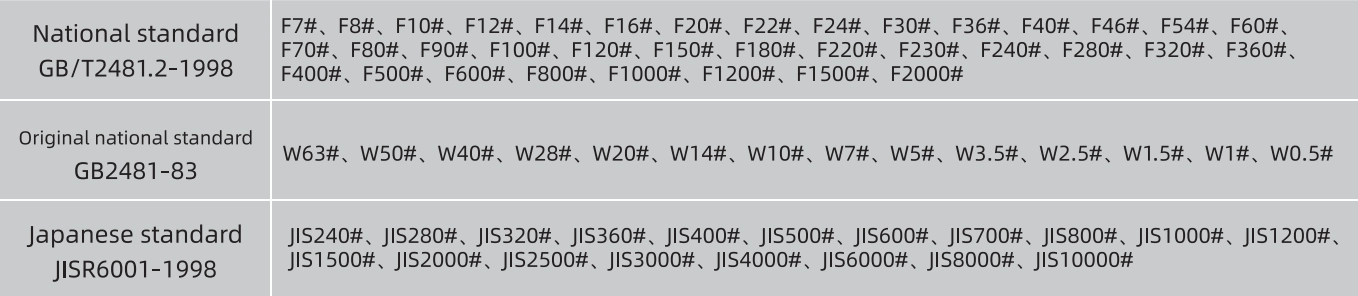
National industrial standards
화학 성분 및 비중
벌크 밀도 측정: GB/T20316.1-2009; GB/T20316.2-2006 / ISO 9136-2:1999
입자 크기 분포 방법론: GB/T2481.1-1998 / ISO 8486-1:1996; GB/T2481.2-2009
자성 물질 함량 측정: JB/T6570-2007
화학 시험 방법: GB/T3044-2007
입자 크기 표준, 사양, 순도 및 기타 측면은 고객의 요구 사항에 따라 사용자 정의 할 수 있으며 품질은 안정적이고 제어 가능합니다.